

Bella Luna Toys vs Montessori Generation: 2026 Comparison
Table of Contents
- Bella Luna Toys vs Montessori Generation: The Core Differences
- Montessori Generation Toys Review: What Buyers Should Know
- Materials, Safety, and Sourcing Evidence
- How to Choose Montessori Toys: A Practical Decision Framework
- Montessori Toys for Toddlers: Where Each Store Fits
- Montessori Toys for Gift Giving: What Grandparents and Relatives Should Look For
- Pros, Cons, and Which Store Fits Your Household
- Conclusion
- Frequently Asked Questions
Last Updated: October 17, 2026
Bella Luna Toys vs Montessori Generation: The Core Differences
Choosing between these two retailers comes down to one question: do you want a curated catalog with deep editorial guidance, or a broader product range with a more transactional shopping experience? This comparison breaks down what actually separates the two stores, so you can match your purchase to your child rather than to a marketing page.
Bella Luna Toys is a long-established retailer built around a hand-picked catalog and a strong editorial voice on child-led play. Montessori Generation is a newer, catalog-driven shop that leans on breadth and competitive pricing. Neither is a bad choice. They simply serve different buyers.
The bella luna toys shopper tends to want guidance. They read the product descriptions, they care who runs the store, and they want a smaller set of well-vetted options. Montessori Generation shoppers tend to know what they want and prefer to scan a wide range quickly.
Here is the short version:
| Factor | Bella Luna Toys | Montessori Generation |
|---|---|---|
| Catalog size | Smaller, curated | Broader, faster to browse |
| Editorial guidance | Strong, philosophy-led | Lighter, product-focused |
| Brand identity | Founder-led, recognizable voice | Retail-first |
| Best for | First-time Montessori buyers | Confident, repeat buyers |
| Price positioning | Higher, quality-led | More competitive |
Retailer-Level Differences That Shape Your Purchase
A toy store is not just a warehouse. The way a retailer selects, describes, and stands behind its products changes what lands on your rug.
Bella Luna Toys reads like a shop with a point of view. Product pages explain how a toy supports a developmental stage, not just what it looks like. That matters if you are new to Montessori and unsure what your 14-month-old actually needs.
Montessori Generation reads more like a conventional online catalog. You find the category, you compare, you buy. Less hand-holding, faster decisions.
The trade-off is real: more guidance usually means a smaller catalog. If you already know you want a specific type of wooden puzzle, the broader store may get you there quicker.
Montessori Generation Toys Review: What Buyers Should Know
Montessori Generation is a legitimate option for buyers who already understand the Montessori approach and want a wide catalog to browse. The store carries the expected categories: wooden stacking toys, shape sorters, practical-life tools, and early puzzles. But the shopping experience differs from a curated boutique in ways that matter at checkout.
Catalog structure and browsing. Montessori Generation organizes products by category and age range, which makes it fast to scan if you know what you want. The trade-off is that product pages tend to focus on materials and dimensions rather than developmental purpose. For an experienced parent, that is fine. For a grandparent buying a first gift, it can leave you guessing which of three similar stacking toys is the better choice.
What to look for on a listing. A common mistake is assuming every product on a Montessori-labeled site is genuinely Montessori-aligned. Look for open-ended design, natural materials, and a single clear purpose per toy. Skip anything with batteries, flashing lights, or a fixed "correct" answer built in. On Montessori Generation, you may need to read the full description and check the age label yourself rather than relying on editorial guidance.
Returns and shipping. Before you commit, confirm the return window and whether return shipping is covered. A generous, clearly stated return policy matters more than a slightly lower price when you are buying a gift. If the policy is not easy to find on the product page, check the site footer or help center before adding to cart.
Where it fits. Montessori Generation works best for confident, repeat buyers who already know the category and want options to compare. If you are new to Montessori or buying for a child whose stage you do not know well, the lack of developmental guidance means more work for you.
Materials, Safety, and Sourcing Evidence
Material quality is where the two stores diverge most in practice, and it is the thing most reviews gloss over. Both retailers emphasize wood and natural finishes, which is the right starting point. The detail that matters is what a product page actually discloses: wood type, finish, and where the toy was made.
What to check on each listing. Bella Luna Toys tends to state origin more consistently, often noting European manufacturing. Montessori Generation is less uniform, so you may need to check individual listings. Look for three specifics: the wood species (maple, beech, and rubberwood are common), the finish (water-based, plant-based, or unfinished), and the country of manufacture. If a listing omits all three, treat that as a yellow flag, not a dealbreaker.
Safety labeling. For safety, look for compliance with the Consumer Product Safety Commission toy safety requirements and clear age labeling. Any reputable retailer should meet these; the difference is how easy they make it to verify. Check that the age label matches the child's stage, not just the toy's appeal. Small parts warnings matter for households with children under three.
Sourcing transparency as a decision factor. A retailer that consistently names the wood type and finish is doing the vetting work for you. A retailer that lists only dimensions is asking you to do it yourself. This is the clearest retailer-level difference between the two stores, and it matters most when buying a gift for a child whose parents care about materials.
How to Choose Montessori Toys: A Practical Decision Framework
Choosing Montessori toys is the process of matching a toy's purpose to your child's current developmental stage, then confirming the materials and safety labeling before you buy. Use this framework to cut through the catalog noise.
Work through it in order:
- Identify the stage. Is your child an infant (grasping, tracking), a toddler (stacking, filling, dumping), or a preschooler (sorting, pretend play, practical life)?
- Pick one skill per toy. Good Montessori toys teach one thing well. Reject toys that try to do five.
- Check the material. Solid wood and non-toxic finishes preferred. Ask what the wood is and how it is finished.
- Confirm the age label. Match it to your child, not to what looks fun.
- Read the description critically. Does it explain developmental purpose, or just dimensions?
- Check returns and shipping. Know the policy before you commit.
That last point is where retailer choice actually bites. A generous, clearly stated return policy matters more than a slightly lower price when you are buying a gift.
Matching Toys to Your Child's Current Stage
Infants need high-contrast objects, grasping toys, and simple cause-and-effect pieces. Toddlers need stacking, nesting, and push-and-pull toys that build fine motor skills and gross motor skills. Preschoolers need practical-life tools, sorting sets, and open-ended play materials.
If you buy one stage ahead, the toy sits unused. Buy for the child in front of you.
Montessori Toys for Toddlers: Where Each Store Fits
For toddler toys specifically, both stores cover the essentials: stacking rings, shape sorters, object permanence boxes, and simple puzzles. The difference is how much help you get picking among them.
Bella Luna Toys organizes toddler products around developmental purpose, which helps if you are choosing between three similar stacking toys. Montessori Generation gives you more options to compare, which helps if you already know the exact type you want.
A common mistake with toddler toys is buying too many at once. Two or three well-chosen pieces on a low shelf beat a crowded toy bin every time. Rotate them rather than adding more.
Montessori Toys for Gift Giving: What Grandparents and Relatives Should Look For
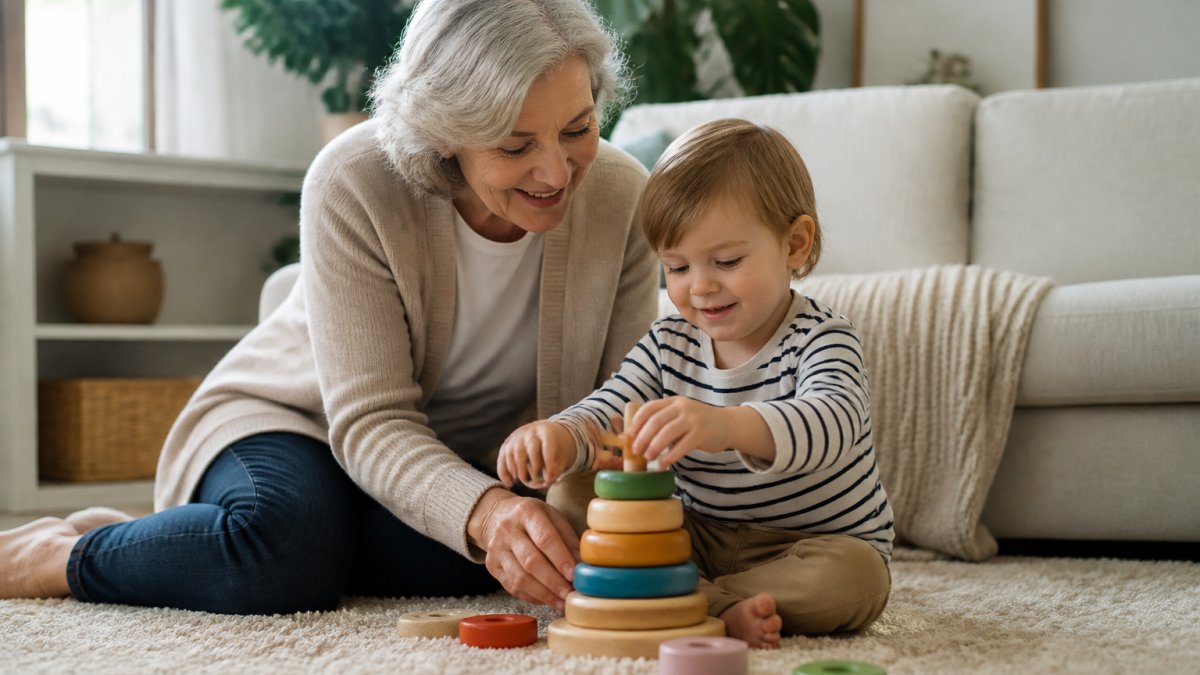
If you are buying a gift rather than outfitting a playroom, prioritize three things: quality construction, a clear age match, and a toy that will still be in use a year from now.
Skip the battery-powered novelty. A well-made wooden stacking toy or a simple shape sorter gets played with for years; a lights-and-sounds gadget gets abandoned in weeks. That is the whole argument for natural materials in one sentence.
You do not need to master Montessori philosophy to buy a good gift. Look for solid wood, a simple design, and an age label that matches the child. That is enough.
Pros, Cons, and Which Store Fits Your Household
Neither store wins outright. It depends on how you shop.
Bella Luna Toys
- Pros: curated catalog, strong developmental guidance, consistent sourcing detail, founder-led voice
- Cons: smaller selection, higher price positioning, slower to browse if you know exactly what you want
Montessori Generation
- Pros: broad catalog, competitive pricing, fast to scan
- Cons: lighter product guidance, less consistent sourcing disclosure, more work for the buyer
If you are new to Montessori and want to be guided, the curated store fits better. If you know the category and want options, the broader store fits better.
Wherever you buy, verify materials, age range, and return policy before checkout. That checklist protects you more than any brand name.
Conclusion
The harder challenge is not picking a store. It is cutting through Montessori-labeled marketing to find toys that genuinely support your child's development. Project Montessori curates educator-approved toys rooted in the Montessori philosophy, with a selection organized by developmental stage so you can match a toy to your child without guesswork. Every piece is chosen to foster independence, creativity, and hands-on learning.
Browse the collection and choose a few well-made pieces to start. Get started with Project Montessori and give your child toys worth growing with.
Frequently Asked Questions
What is the difference between Bella Luna Toys and Montessori Generation?
The biggest difference is how each store is structured. Bella Luna Toys runs a large, broad catalog that mixes Montessori staples with general natural-material toys, books, and art supplies. Montessori Generation keeps a tighter, more curated lineup built around core Montessori materials. That means Bella Luna Toys gives you more browsing and bundling options, while Montessori Generation gives you a shorter, more focused shortlist. Neither approach is automatically better; it depends on whether you want variety or a narrow, philosophy-first selection.
Are Bella Luna Toys and Montessori Generation toys made from natural materials?
Both stores lean heavily on wood and other natural materials, which is the main reason parents compare them. When you shop, read the individual product listing rather than the store's general description. Look for the specific wood type, whether finishes are water-based, and whether fabrics are listed as organic. A store can carry a mostly natural catalog and still stock some items with synthetic components, so the product page is the only reliable source for what a given toy is actually made of.
Which store is better for toddlers?
For toddlers, prioritize toys that survive rough handling and match their current developmental stage: stacking, posting, threading, and push-and-pull toys. Bella Luna Toys tends to have a deeper toddler catalog to browse, while Montessori Generation's smaller range makes it faster to find a stage-appropriate pick. Whichever you choose, check the age recommendation on the listing, confirm the pieces are large enough to be safe for your child, and start with one or two items before committing to a larger set.
How do I choose age-appropriate Montessori toys?
Start with what your child can already do, then pick one skill step beyond it. For infants, that means grasping and sensory objects; for toddlers, posting, stacking, and simple practical-life tools; for preschoolers, puzzles, sorting, and early counting materials. Ignore the marketing age label as your only guide and read what the toy actually asks the child to do. A toy that is slightly too easy gets ignored, and one that is far too hard gets abandoned, so aim for the middle.